_ Verse in Sand
Homokköltemények
Nyaraló polgárok gesztus értékű műalkotásai tenger és szárazföld határán, Európa keleti partján
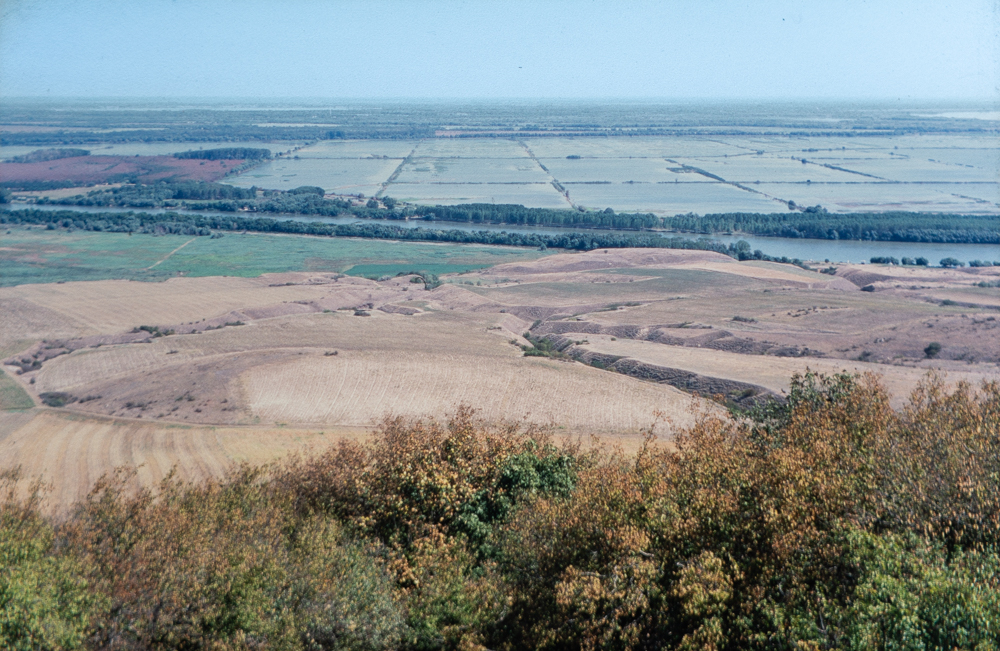
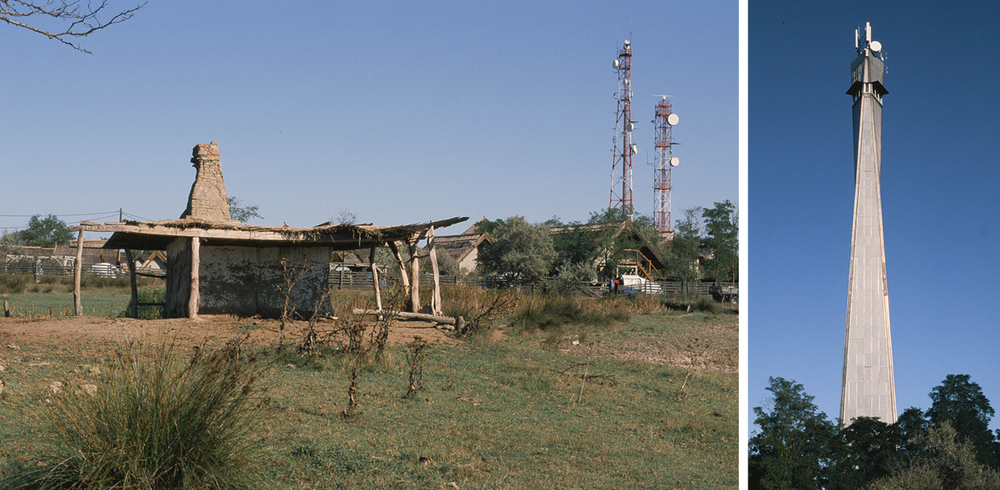
Romániában, az Európai Unió egyik legkeletibb határán, Dobrudzsa mitikus vidékének peremén, a Duna-deltában, a Szent-György ág torkolatánál, a Fekete-tenger egyik nyugati vadpartján, természetvédelmi övezetben, legelésző tehenek mellett, mintegy két kilométerre a termopánozott NATO radarállomással és a brutszocmodern világítótoronnyal is felszerelt, értelmetlenül átszervezett, városiasított hohol falutól, Ceaușescu kísérleti szélerőművétől sem messze, nyugágyak, partra vetődött haltetemek és -sodródott szemetek között, a luxusvillákból és rögtönzött fogadóházakból pihenni érkező polgárok nagy része nem sokkal kitelepedésük után alkotáshoz, építkezéshez lát.
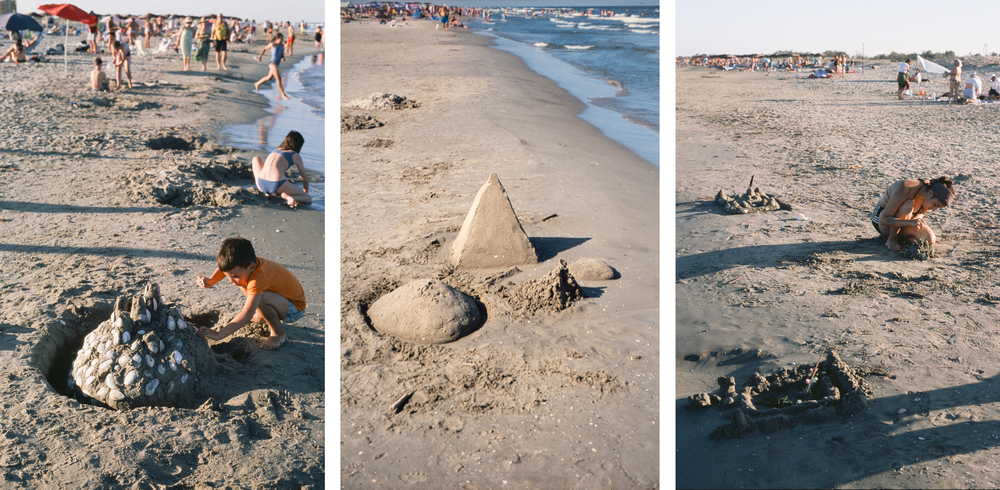
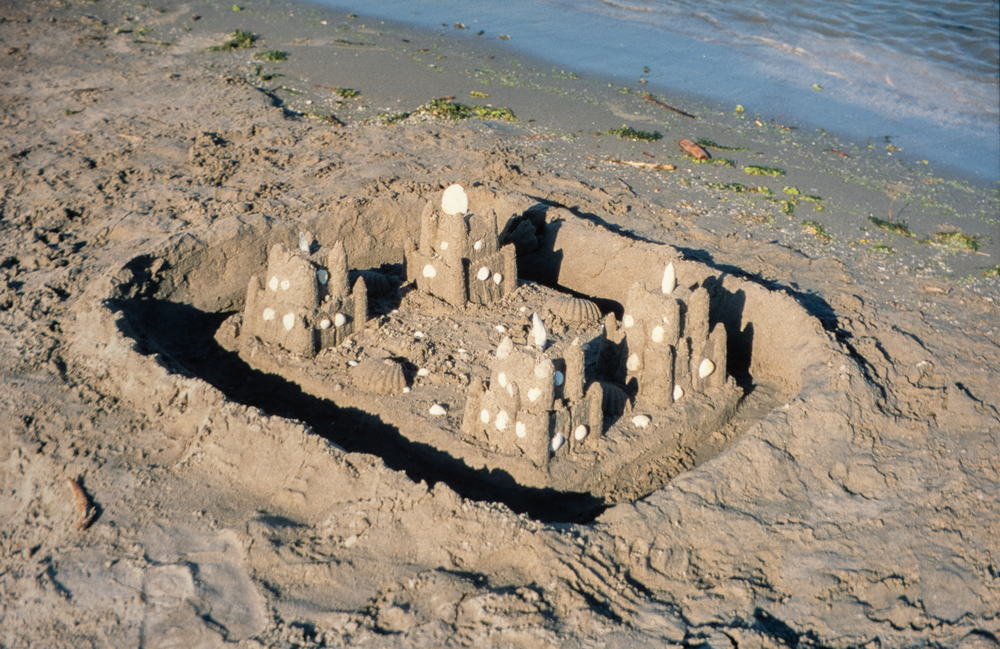
Homokból, kagylókból, gallyakból és uszadékfából, valamint limlomból készül az a számtalan efemer mű, melyet nagy valószínűséggel nem képzőművészek hoznak létre, bár szemiotikai, esztétikai, urbanisztikai, antropológiai vagy szociológiai elemzésnek is alávethető költemények hálózata jön létre, és tűnik el az üdülőszezon minden napján.
Verse in Sand
Gesture-value artworks of holidaying citizens at the boundary of sea and land, on Europe’s eastern shore
In Romania, along the easternmost frontiers of the EU, on the fringes of Dobruja, that mythical place, right near the mouth of the Danube Delta where the Sfântu Gheorghe branch flows into the sea two kilometres from a haphazardly reorganized, urbanized Hohol village—equipped with a termopaned NATO radar station and a brutalist and socialist and modernist lighthouse—on one of the last wild western shores of the Black Sea, within a protected natural area, among grazing cows, not far from Ceaușescu’s experimental wind turbine, amidst deckchairs, stranded fish carcasses and drifted debris, most of the citizens arriving on the shore from luxury villas and improvised guesthouses, having come here to rest, soon after settling in begin to engage in acts of making art.
From sand, shells, twigs and driftwood, as well as assorted flotsam, there emerge countless ephemeral works, which are in all likelihood not produced by visual artists, yet a network of poems—susceptible to semiotic, aesthetic, urbanistic, anthropological or sociological analysis—comes into being and disappears again with each day of the holiday season.
Esszé- és eszmefuttatásommal több dologra is rá szeretnék világítani:
(1) hogy ebben a játékos gesztusban felfedezhető az a csírázó, de még mélyen elhantolt vágy, mely kapcsolódást keres – és tkp. létre is hoz – a természettel;
(2) hogy Beuys „mindenki művész” elmélete helytálló, és ezt a művészet antropológiai elmélete is alátámasztja;
(3) hogy ebben az egyszerű, szerény, játékos, gyermeteg, múlékony, autentikus természetművészeti alkotómódszerben feloldódik az idegenség érzete.
With this essay and line of thought, I would like to draw attention to several points:
(1) that within this playful gesture one can discern a nascent yet deeply buried desire that seeks—and indeed, in a certain sense, brings about—a connection with nature;
(2) that Joseph Beuys’s theory that “everyone is an artist” holds true, and is further supported by the anthropological theory of art;
(3) that within this simple, modest, playful, childlike, ephemeral, and authentic mode of making nature art, the sense of estrangement is dissolved.
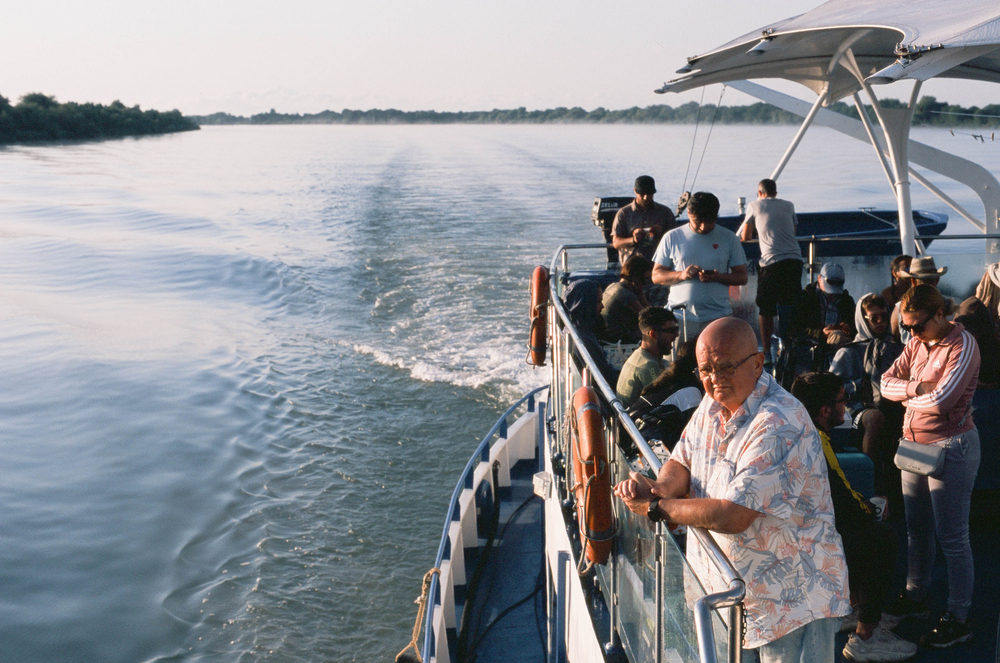
A nyaraló polgárok építő-alkotó gesztusának legbensőbb indíttatására magyarázatot Heidegger lakozást tárgyaló előadásában találunk: ott a vadparton az emberek azért építenek pl. várakat homokból, mert lakozni szeretnének azon az elvarázsolt helyen. A hely elvarázsolt, mert a civilizáció határvidékének érzetét kelti, oda eljutni pedig valódi utazást jelent – nem lehet csak úgy helyet változtatni és odakerülni. Szent Györgyöt kizárólag vízen lehet megközelíteni. Ott lebeg a levegőben az is, hogy a Duna és deltájának vidékén az argonauták számos szörnnyel küzdöttek meg egy valamikori mitikus időben.
Ugyancsak a peremvidék érzetét fokozza az emberi települést felölelő természeti világ: egyik irányból a tenger és a Duna víziszörnyei őriznek, másik felől nádasok, erdő, kígyók, békák, sakálok és olyan csodálatos madárvilág, ami máshol nincs. Csúnyán mondva, az ember számára „nincs ott semmi”. Valójában buja élet van! De mivel ez egy idegen számára (számunkra) rejtőzködik, nem mutatkozik meg, láthatatlan, ezért kapcsolódási pontokat keres. Fogódzkodók híján pedig kapcsolódási pontokat hoz létre: lásd a földbe szúrt ágakat, mint axis mundik, a homokba rajzolt ábrákat, melyekkel a polgártársai figyelmét szándékozik megragadni, vagy gondolatot közvetíteni számukra anélkül, hogy a másik privát/intim szférájába belépne, illetve az építményeket, melyekben – a szellemi dimenzióban, elméletben – biztonságosan, otthonosan tudna éldegélni, lakozni. „Körülkerítve maradni a szabadban”, amint arra a várak és házak köré ásott védőárkok is utalnak.
Az is látszik azonban, hogy ezeknek az építményeknek vannak ajtajaik, ablakaik, vannak hídjaik, melyek bejárást engednek, és vannak egészen komplex városszövetnek tűnő építményhálózatok, amelyekben a különböző funkciójú hivatalok, intézmények, házak logikus rendben helyezkednek el. Így, az alkotó kapcsolódási lehetőséget is nyújt a másik számára, legyen az a másik evilági vagy sem.
The innermost motivation behind the constructive–creative gestures of holidaying citizens may be illuminated by Martin Heidegger’s lecture on dwelling: there, on that wild shore, people build, for instance, castles out of sand because they wish to dwell in that enchanted place. The place is enchanted because it evokes the sensation of a frontier of civilization, and reaching it entails a genuine journey—one cannot simply change location and arrive there. Sfântu Gheorghe can be approached exclusively by water. There also lingers in the air the sense that, in some mythical past, the Argonauts struggled against numerous monsters in the region of the Danube and its delta.
The sense of being at the margins is further intensified by the natural world that envelops human settlement: creatures of the sea and the Danube guard the East and South; reeds, forests, snakes, frogs, jackals, and an extraordinary birdlife and beasts found nowhere else round up on the North and West. Put bluntly, “there is nothing” for the citizen. In reality, there is an exuberant vitality. Yet because this vitality remains hidden from the outsider (from us), does not reveal itself, remains invisible, the visitor seeks points of connection. And in the absence of such points, he or she creates them: consider the branches thrust into the ground as axes mundi; the figures drawn into the sand, through which one seeks to capture the attention of fellow citizens or to convey a thought without intruding upon the other’s private or intimate sphere; or the structures within which—on a mental plane, in theory—one might dwell safely and with a sense of home. To “remain enclosed in the open,” as suggested by the defensive ditches dug around castles and houses.
At the same time, it is evident that these structures possess doors and windows; they have bridges that permit entry, and there exist even complex networks of constructions resembling urban fabric, in which offices, institutions, and houses of differing functions are arranged in a logical order. In this way, the maker also offers the possibility of connection to the other—whether that other belongs to this world or not.
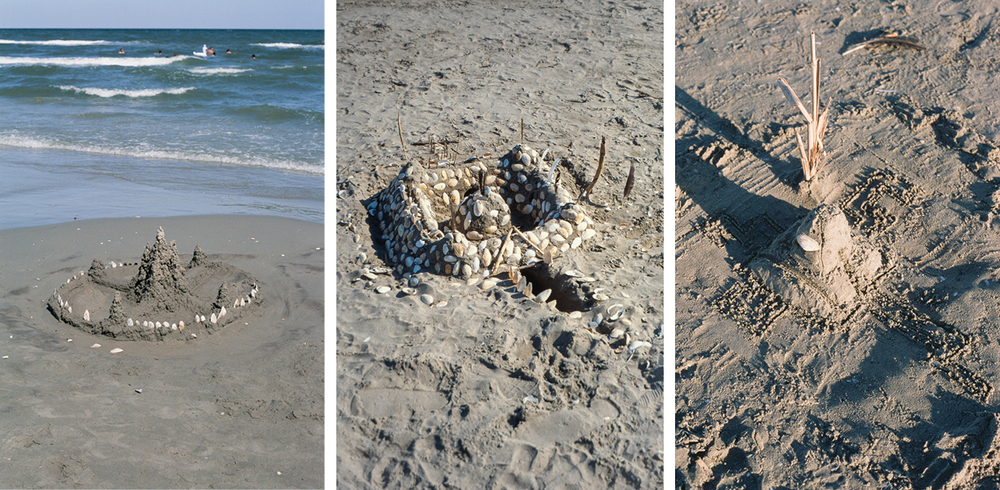
De miért épít valaki, aki azért utazott el pihenni, hogy ne csináljon semmit?
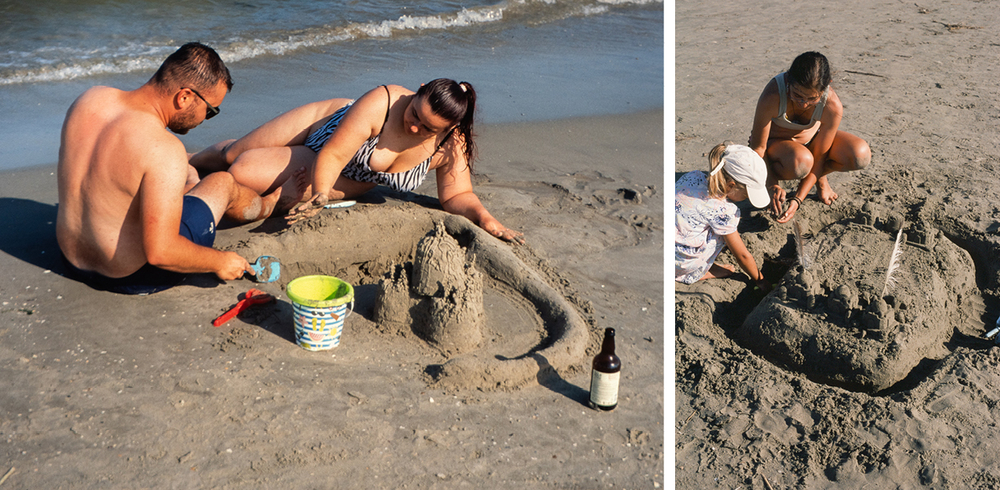
Az utóbbi kérdésre a rövid válasz Beuys gondolatiságából szűrhető le, miszerint „mindenki művész.” És ott a tengerparton egészen nyilvánvalóvá válik ez a benső, zsigeri, ösztönös és őszinte emberi vonás, ami az alkotó vágy. Ott, ahol mindenki félmeztelen és ahol a szabályozórendszer kevésbé van kibástyázva, nem értelmetlen vagy abszurd cselekedet homokkölteményt alkotni. Ellenkezőleg, tökéletesen logikus reakció viszonyítási pontok felhúzása abban a koordináta-rendszerben, amely a természet, és ahol „nincs semmi.”
But why does someone who has travelled in order to rest and to do nothing begin to build?
A short answer to this question can be distilled from the thought of Joseph Beuys, according to which “everyone is an artist.” And there, on the seashore, this inner, visceral, instinctive, and sincere human trait—the desire to create—becomes entirely evident. There, where everyone is half-naked and where the regulatory system is less heavily fortified, it is neither meaningless nor absurd to compose a verse in sand. On the contrary, erecting points of reference within the coordinate system that is nature—where “there is nothing”—becomes a perfectly logical response.
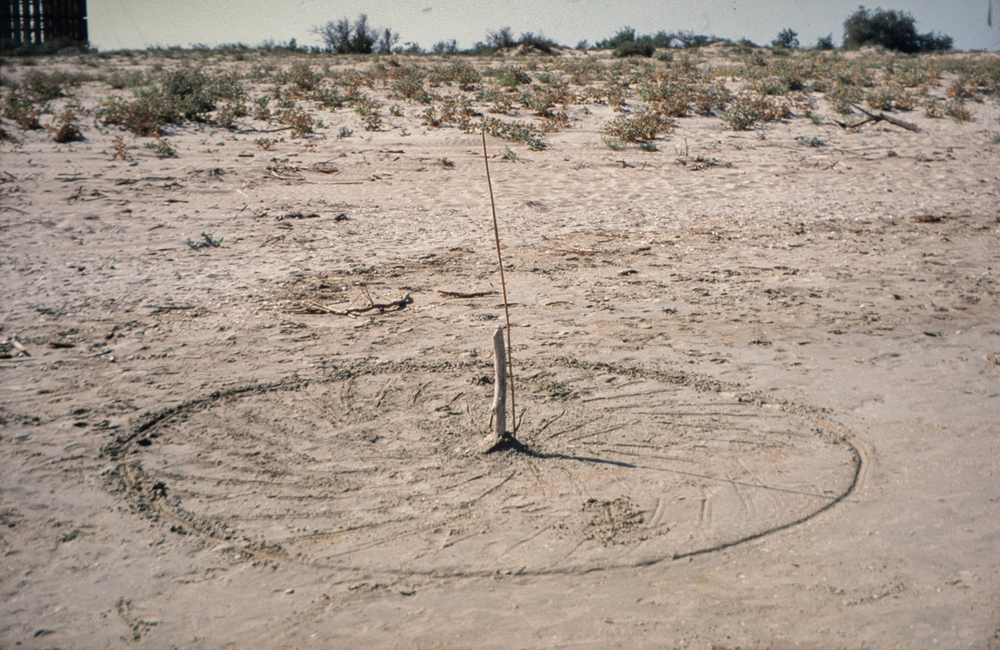
Az embertan észszerű magyarázatot nyújt a látszólagosan észszerűtlen cselekedetek logikájáról: a tengerparton, ahol semmi sem ismerős és két irányban is idegen az odaérkező – őszámára a hely, és a másik vagy a hely számára ő –, létrehoz valamit, ami gyanánt immár fizikai kapcsolatot létesít a hellyel és a másikkal.
A fizikai kapcsolat létesítésének eszköze a tárgyalkotás. Ott helyben pedig olyan anyagokat lehet használni, amelyek onnan származnak és ugyanoda térnek majd vissza.
Anthropology provides a rational explanation for the logic of seemingly irrational actions: on the seashore, where nothing is familiar and where the one who arrives is alien manifold—the place is alien to him, and he to the place and likewise to the other—one creates something through which a physical connection with the place and with the other is established.
The instrument of establishing this physical connection is the creation of objects. And there, on the spot, one can use materials that originate from that very place and will ultimately return to it.
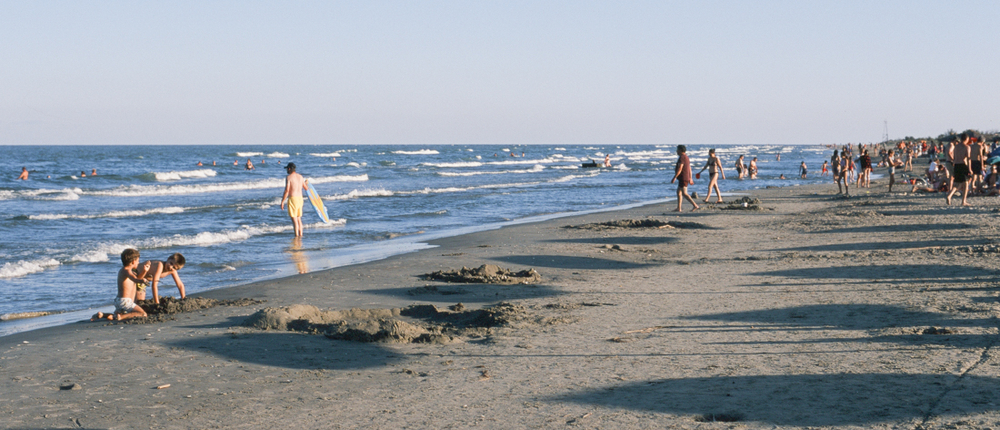
Alfred Gell antropológus, illetve David Freedberg művészettörténész brilliáns érveléssel világítja meg a rációját, a logikáját és a működési mechanizmusát az irracionálisnak tűnő rituáléknak, valamint a képek és rituális tárgyak által okozott emberi válaszoknak – teszik mindezt úgy, hogy kulturák és civilizációk között különbséget nem tesznek, mivel az emberi viselkedés alapvető mintázatait vizsgálják (sőt, mindketten azt hangsúlyozzák, hogy a civilizált ember pusztán elnyomja, egyenesen szégyenli azokat a zsigeri válaszokat, amiket élettelen tárgyak látványa okoz).
Az általuk tárgyalt elméletek közül kiemelendő, hogy:
(1) a műalkotások, fétistárgyak funkcióval bírnak: pl. rontást vagy gyógyítást okoznak, jogi köteléket hoznak létre, kereskedelmi értéket hordoznak, a státusz szimbólumát képviselik, vágyat közvetítenek stb.;
(2) ezeknek a „tárgyaknak” ereje van, hiszen az embert ingerli, és az ingernek megfelelően ad választ: rosszul vagy jobban érezzük magunkat, birtoklási vágyat ébresztenek, különböző típusú izgatottsági állapotba kerülünk és azok hatására cselekszünk pl. szexuálisan, dühösen, áhítatosan stb.;
(3) e tárgyak úgy működnek, mint a nyelv (és fontos nyomatékosítani azt, hogy a képzőművészet nem nyelv, hanem olyan mint a nyelv – pont ebben rejlik sajátos ereje): általuk is kommunikálunk, tehát kapcsolatba lépünk.
Alfred Gell and David Freedberg illuminate, through brilliant argumentation, the rationale, logic, and mechanisms underlying rituals that appear irrational, as well as the human responses elicited by images and ritual objects. They do so without drawing distinctions between cultures and civilizations, since they examine fundamental patterns of human behaviour (indeed, both emphasize that the civilized human being merely suppresses—even feels ashamed of—the visceral responses provoked by the sight of inanimate objects).
Among the theories they discuss, the following deserve particular emphasis:
(1) works of art and fetish objects possess functions: they may, for example, cause harm or healing, create legal bonds, carry commercial value, represent symbols of status, convey desire, and so forth;
(2) these objects possess power, since they stimulate the human being, who then responds in accordance with the stimulus: we may feel anxious or well, they awaken the desire for possession, they place us into various states of excitement, and under their influence we act—for instance sexually, angrily, reverently, and so on;
(3) these objects function like language (and it is important to stress that the visual arts are not a language, but rather are like language—precisely herein lies their particular power): through them we also communicate, that is, we connect.
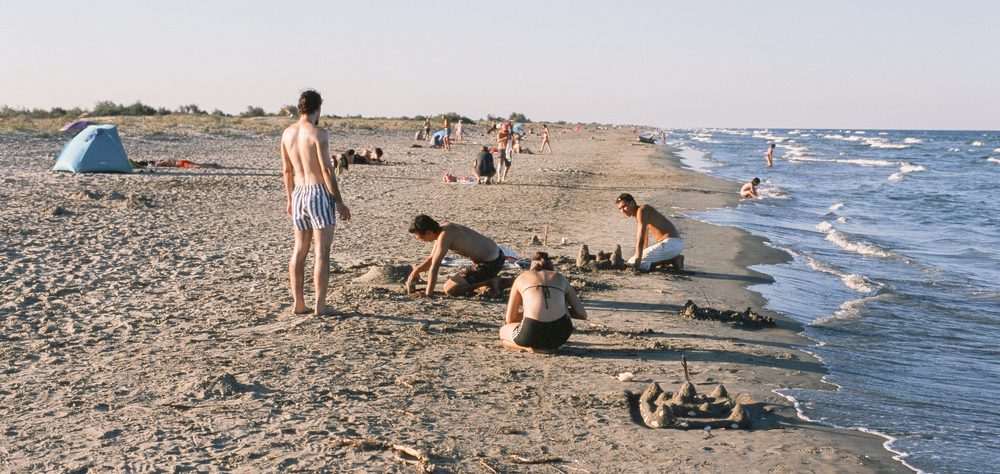
A tengerparti homokköltemények – és általában, a természetben túrázók építette kőrakások, fák törzsébe véste jelek – mind ilyen változatos szerepekkel felruházott dolgok. Ezekkel az evidenciákkal a következő eseménysorozatra szeretnék rámutatni:
(1) a környezet (amelynek része az odavezető út, az utazás is), a táj maga hív elő különböző típusú emberi reakciókat (szabadság, félelem, eltörpülés érzete, uralmi tekintet stb.);
(2) a „megfelelő” (vad) természeti környezetben végzett, természetes anyagokkal való alkotómunka (legyen az a gesztus bármennyire naiv, szerény) a kapcsolódási vágy megvalósításának módszere lesz, irányuljon az a természet vagy az arra járó másik felé;
(3) ennek eredményeként fizikailag létező, de a fizikai valóságuknál gazdagabb jelentéstartalommal felruházott tárgyak ékelődnek be az események bizonyos láncolatába.
A helyhez-kötő láncszemek (utazás, megszállás, étkezés, társalgás, fürdőzés, játék, naplemente, szeretkezés stb.) közébe csatolódik a homokköltemények megalkotása is. Bár a mű múlékony, mégis, létezése során megnyilvánulásokat generál (elsimerést, nevetést, bosszankodást, kontemplációt stb.), másrészt pedig egy elképzelést valósít meg – segít világra – fizikailag is (kastély, memento mori, bőségszarú, csillagkép stb.). Beuys nem véletlenül ültetett és ültettetett Németországban tölgyet, illetve bazaltot.
Verses in sand—and, more generally, the cairns built by hikers in nature or the marks carved into the trunks of trees—are all such things endowed, invested with diverse roles. With these observations, I wish to point to the following sequence of events:
(1) the environment (which includes the journey leading there, the act of travel itself) and the landscape call forth different types of human responses—feelings of freedom, fear, insignificance, magisterial gaze, and so on;
(2) creative activity carried out in a “proper” (wild) natural environment, using natural materials—however naïve or modest the gesture may be—becomes a means of realizing the desire for connection, whether directed toward nature or toward the passerby;
(3) as a result, objects that physically exist—but are endowed with a richer content of meaning than their mere physical reality—become inserted into a certain chain of events.
Among the links that bind one to the place (travel, lodging, eating, conversation, bathing, play, sunset, lovemaking, and so forth), the making of verse in sand is also attached. Although the work is ephemeral, during its existence it generates manifestations—recognition, laughter, irritation, contemplation, and the like—and, on the other hand, it also realizes an idea, bringing it into the world physically as well (a castle, a memento mori, a cornucopia, a constellation of stars, and so forth). It is no accident that Joseph Beuys planted—and had others plant—oaks in Germany, alongside basalt.
Másik irányból közelítve a jelenséget, ha nem történik alkotás, akkor a tapasztalatok minősége sem lesz annyira cizellált. Így a helyhez-kötődés elmélyítését befolyásoló ingerek összetettsége kevésbé bonyolult marad, mert nem történt meg a fizikai kapcsolat létesítésére tett próbálkozás. A fizikailag is létező kapcsolódási pont megléte vagy hiánya meghatározó a kapcsolat minőségét illetőleg.
Azt szeretném kidomborítani, hogy mivel egy ilyen nyaralás folyamatának jelentős részét a természet közelsége és a civilizációtól való távolság tölti ki, illetve amiatt, hogy biztonságérzetet nyújtó élményt okoz ez a kellemes tevékenység a szabadban, az alkotás, a nyomhagyás miatt valódi, minőségi kapcsolat tud kialakulni ember és természet között. Hogy ez az élmény később miként kerül elnyomásra, már más probléma, de az biztosnak tűnik, hogy az elidegenedést ilyen, „koszos” munkával lehet kezelni.
Approaching the phenomenon from another perspective, if no act of creation takes place, the quality of the experiences will not become as finely articulated. The complexity of the stimuli that deepen one’s attachment to the place thus remains less intricate, because no attempt has been made to establish a physical connection. The presence or absence of a physically existing point of connection is decisive for the quality of the relationship.
What I wish to emphasize is that, since a significant part of the process of such a holiday is filled by the proximity of nature and the distance from civilization—and because this pleasant activity outdoors provides a sense of security—the act of creation, leaving a trace, makes it possible for a genuine and meaningful relationship to arise between human being and nature and that very place. How this experience later becomes suppressed is another question, but it seems certain that alienation can be addressed through such “dirty” work.
Tudat szintjén létezik kapcsolat természet és ember között. Megkockáztatom, hogy ha a szándék valóban az, hogy az ember újra ráhangolódjon a természetre, ahogyan azt oly sok klímaegyezmény, beszélő fej, művészeti program és kiállítás hirdeti, akkor szükség van az érzelmi, az irracionális mélységekben munkálkodó kötelékek megalkotására – vagyis a természetes anyagokkal való kétkezi munkára.
Az a típusú zsigeri, ösztönös alkotó hozzáállás, mely fentebb bemutatásra került – a természetművészet –, egyik módszere a működőképes kapcsolat létrehozatalának.
Mihának,
Sfântu Gheorghe, București, Krapets, Eger
2017, 2020, 2023, 2025
A connection between nature and the human being exists at the level of consciousness. I would venture to suggest that if the intention truly is for humanity to attune itself once again to nature—as so many climate agreements, talking heads, art programs, and exhibitions proclaim—then it becomes necessary to forge the bonds that operate in the emotional and irrational depths, that is, through hands-on work with natural materials.
The kind of visceral, instinctive creative attitude described above—nature art—is one method of establishing a harmonious relationship.
To Miha,
Sfântu Gheorghe, București, Krapets, Eger
2017, 2020, 2023, 2025
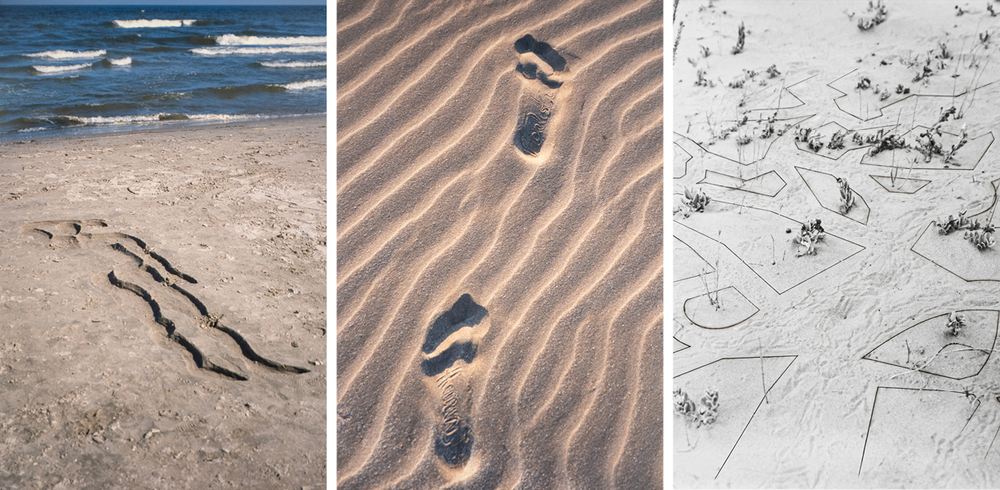 Pihenő Modulor / Resting Modulor | Brand (Humanista... Realista... / Humanist... Realist... ) (2023)
| Infrastruktúra madarak, bogarak és mindenféle élőlény számára / Infrastructure for Birds, Bugs and All Sorts of Living Beings (2020)
Pihenő Modulor / Resting Modulor | Brand (Humanista... Realista... / Humanist... Realist... ) (2023)
| Infrastruktúra madarak, bogarak és mindenféle élőlény számára / Infrastructure for Birds, Bugs and All Sorts of Living Beings (2020)
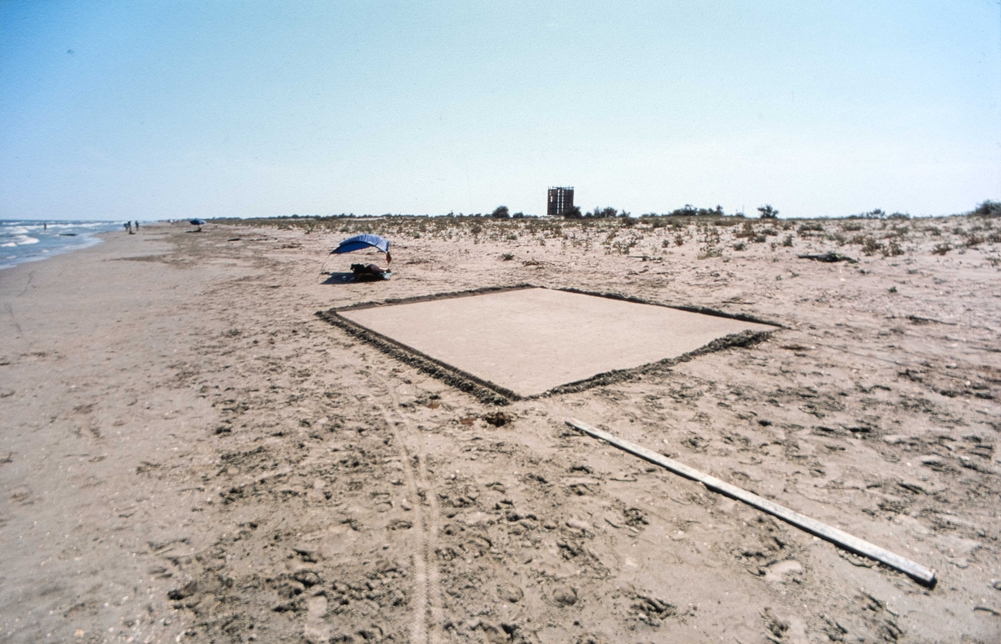 Alap / Foundation (2023)
Bibliográfia
FREEDBERG, D. (1989), The Power of Images (Chicago: University of Chicago Press)
GELL, A. (1998), Art and Agency: An Anthropological Theory (Oxford: Clarendon Press)
HEIDEGGER, M. (1951), Építés, lak(oz)ás, gondolkodás in Schneller István, Az építészeti tér minőségi dimenziói (2002, Budapest: Librarius), 257-270.
Megjegyzés
Ez a szöveg egy „művészeti kutatáson” alapul, amely eredetileg diavetítésként volt kigondolva, és ennek megfelelően diapozitívek vetítéseként is létezik. A szöveg nem fedi le a teljes gondolatmenetet, mivel a „kutatás” magában foglalja Magyarországon és Bulgáriában megvalósult hasonló, kis gesztusok spekulatív és összehasonlító bemutatását is – amelyeket a világ más részein is tovább szeretnék vizsgálni.
Note
This text is based on an „artistic research” that was originally thought out as a slide presentation, and as such, it is also available as a proper projection of slide positives. The text does not cover the entire train of thought, since the „research” also contains a speculative and comparative presentation of such small gestures made in Hungary and Bulgaria –wishing to be further researched in other parts of the world.